Assembling Paradise I Experimental Documentary I 20 Min. I 2026
Set in a secluded villa in Bali,
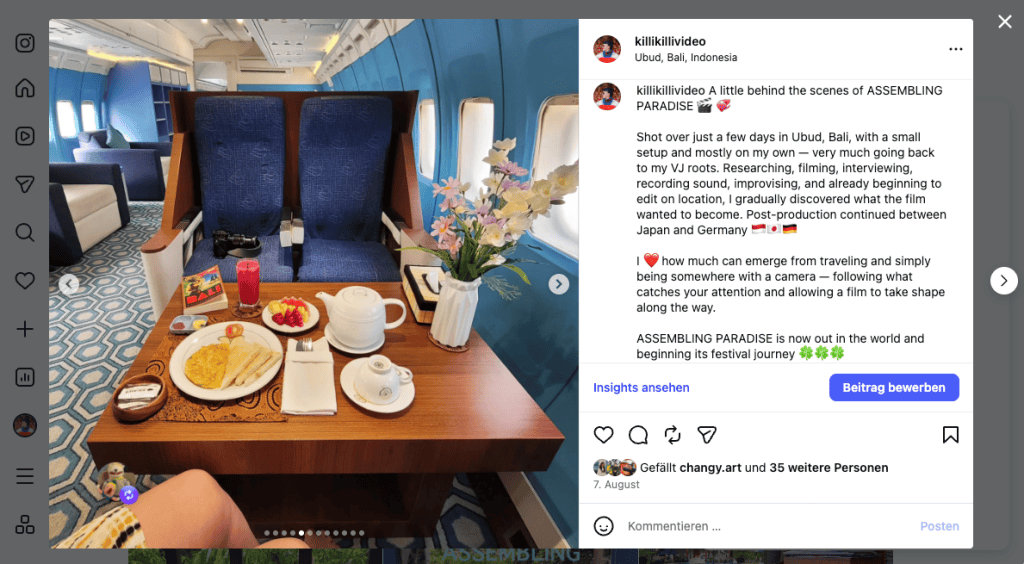
Assembling Paradise observes the architecture, objects, and routines of a constructed vision of paradise, gradually uncovering the worldview and histories embedded within it.


Synopsis
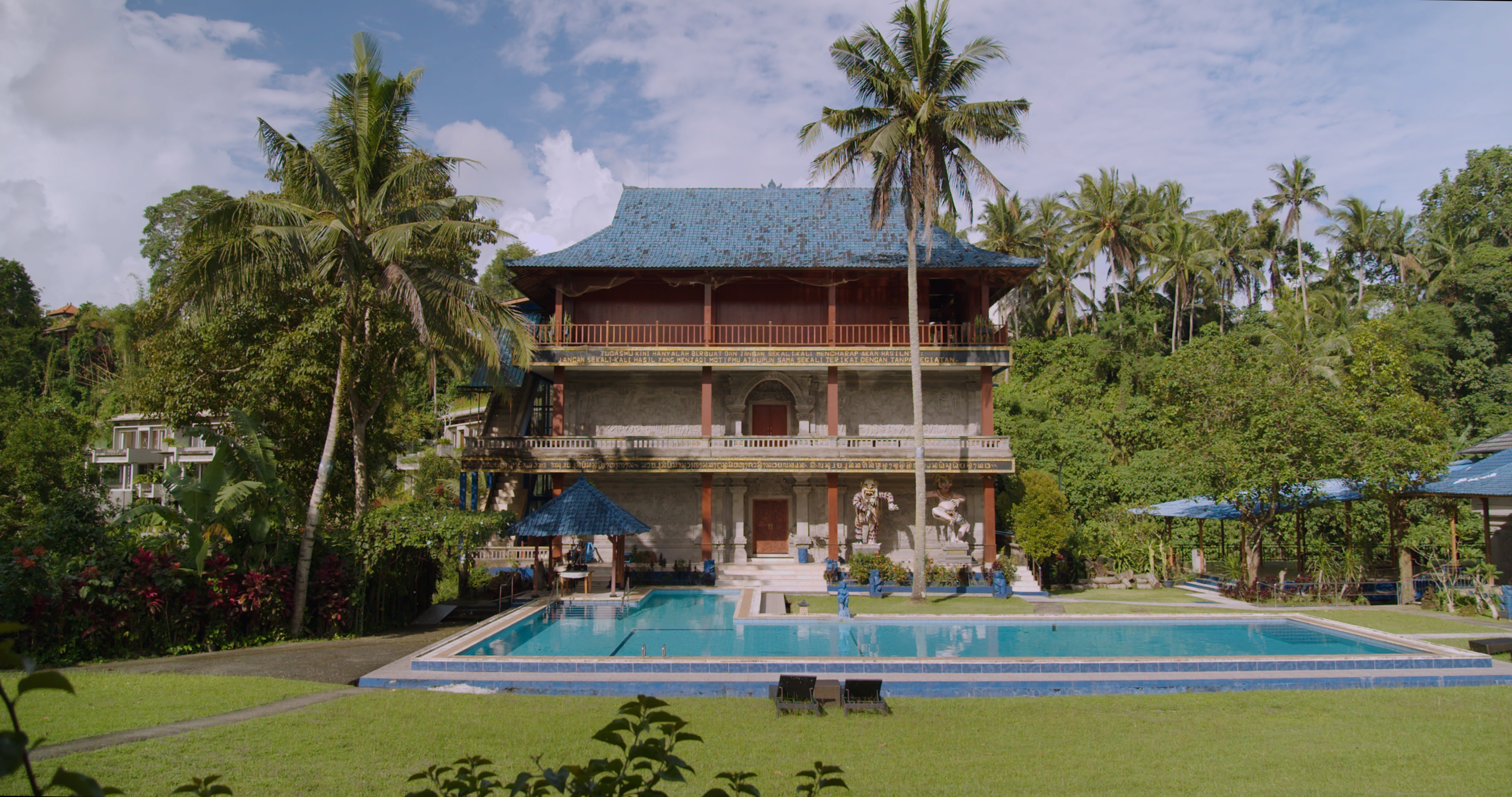
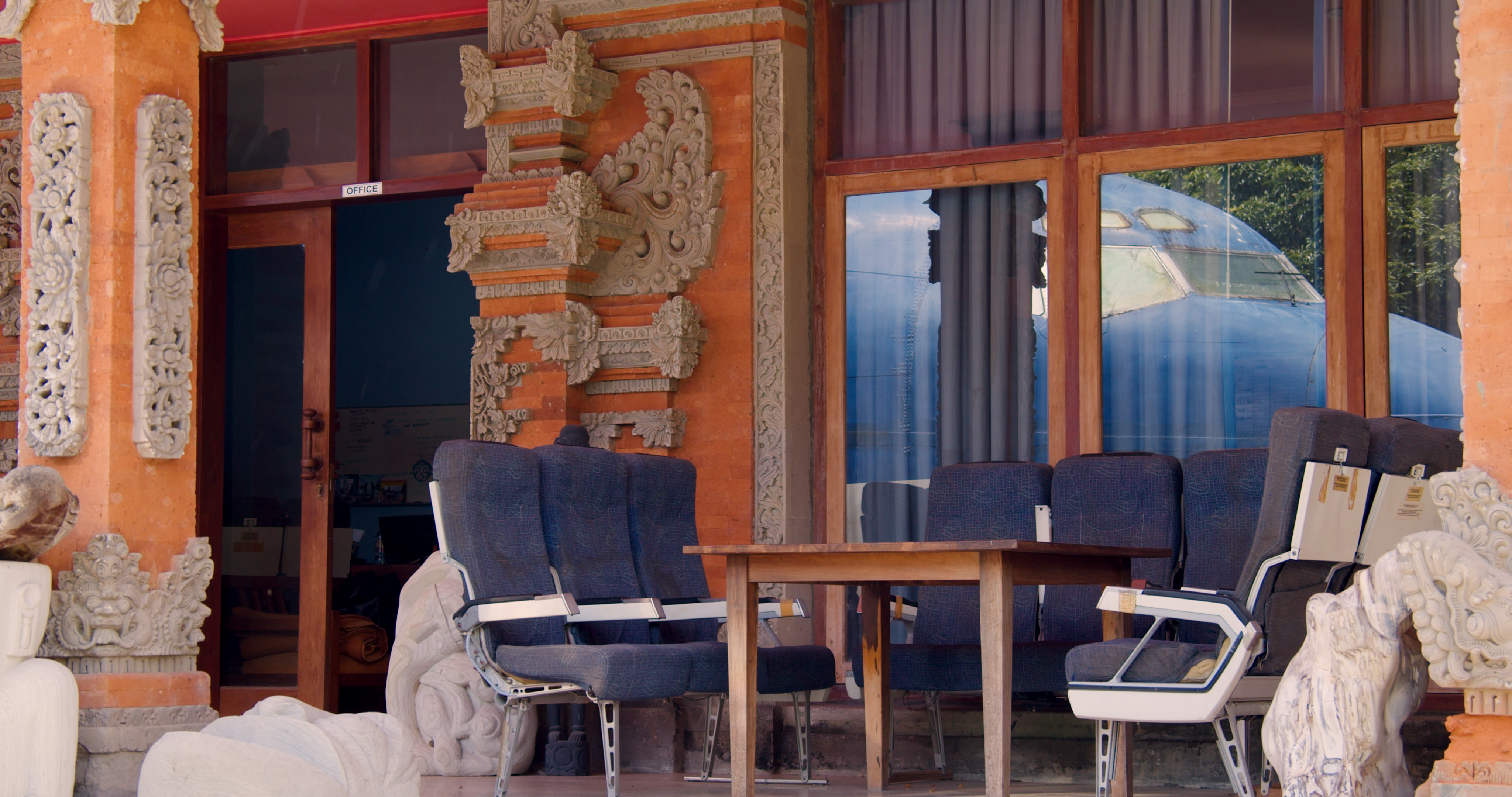
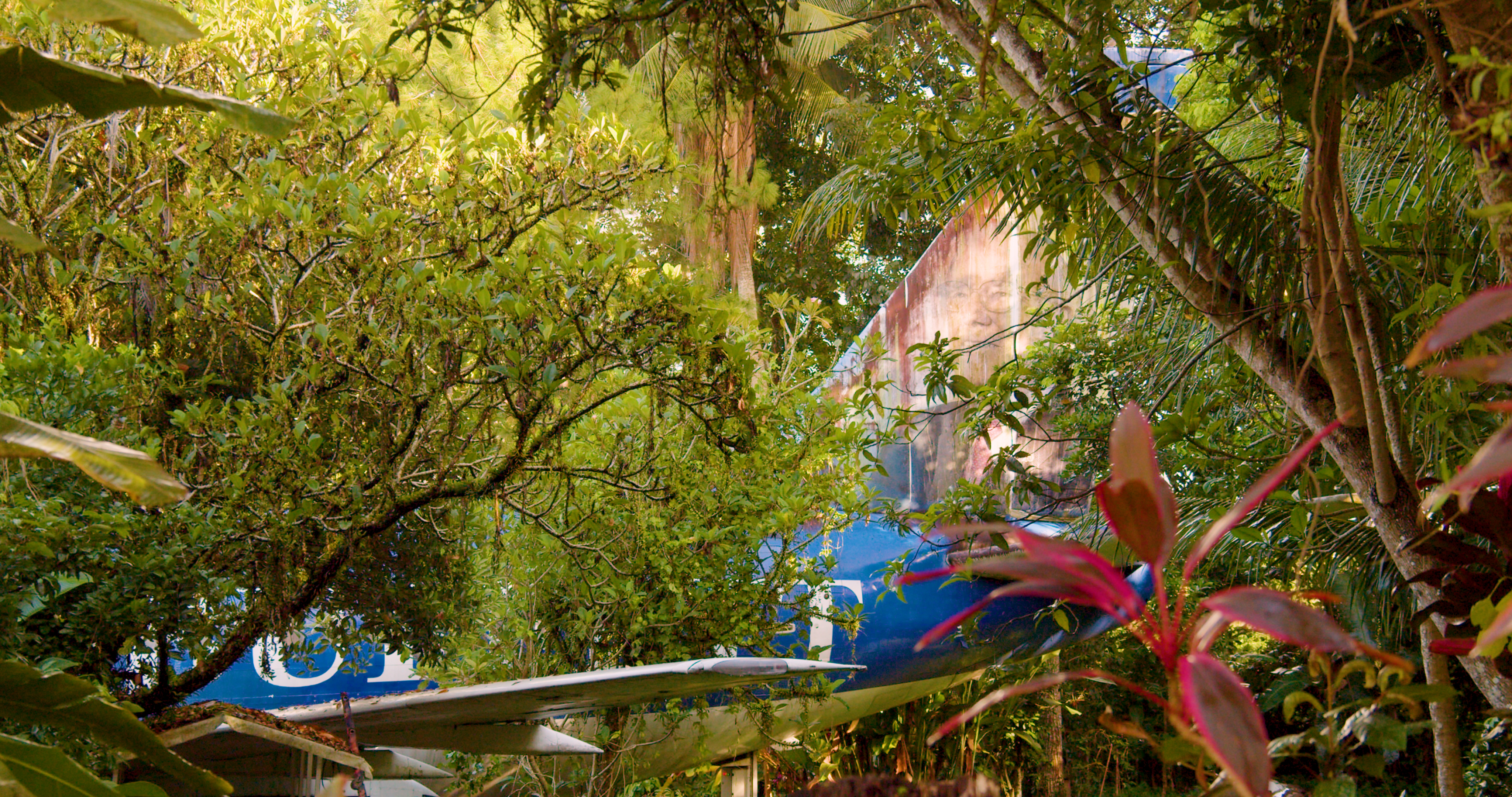
Assembling Paradise is an experimental documentary set in a secluded villa in Ubud, Bali. Surrounded by dense jungle, the site appears suspended between habitation and absence. What first presents itself as a place of retreat gradually reveals traces of a longer history.
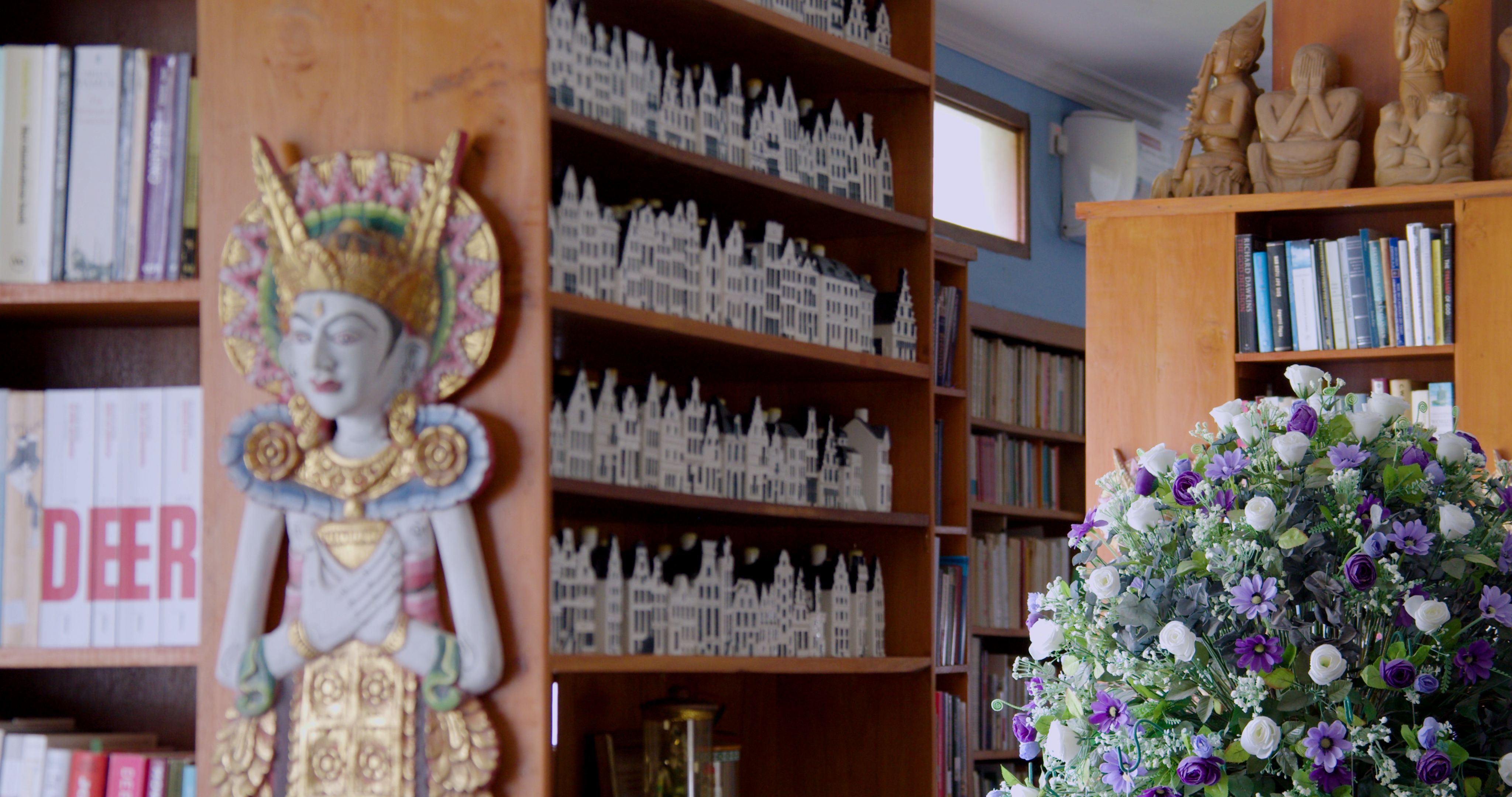
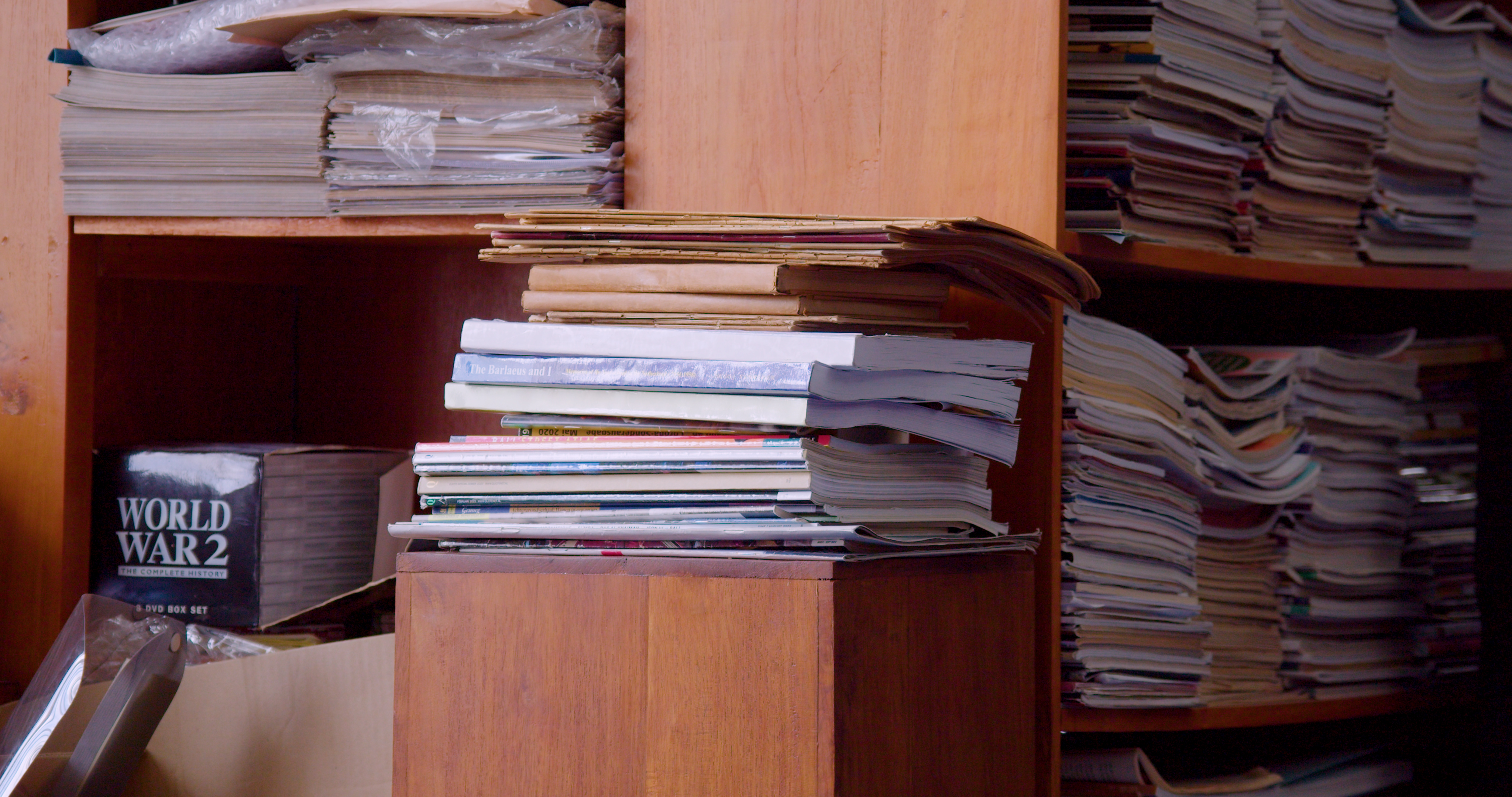
Through an observational lens, the film lingers on architecture, objects, and routines that continue to structure the space, even as the people connected to them remain largely unseen. These observations are partly placed in dialogue with words drwan from the writings of the villa’s late founder, whose reflections on mobility, exchange, value, and investment echo across the site.
Set against Bali’s ongoing transformation through tourism, Assembling Paradise reflects on questions of ownership, representation, and projection. Emerging from artistic and ethnographic research, the film explores how places are imagined, inhabited, and continually reshaped through overlapping histories and ways of seeing.
Director’s Statement
Assembling Paradise began without the intention of making a film.
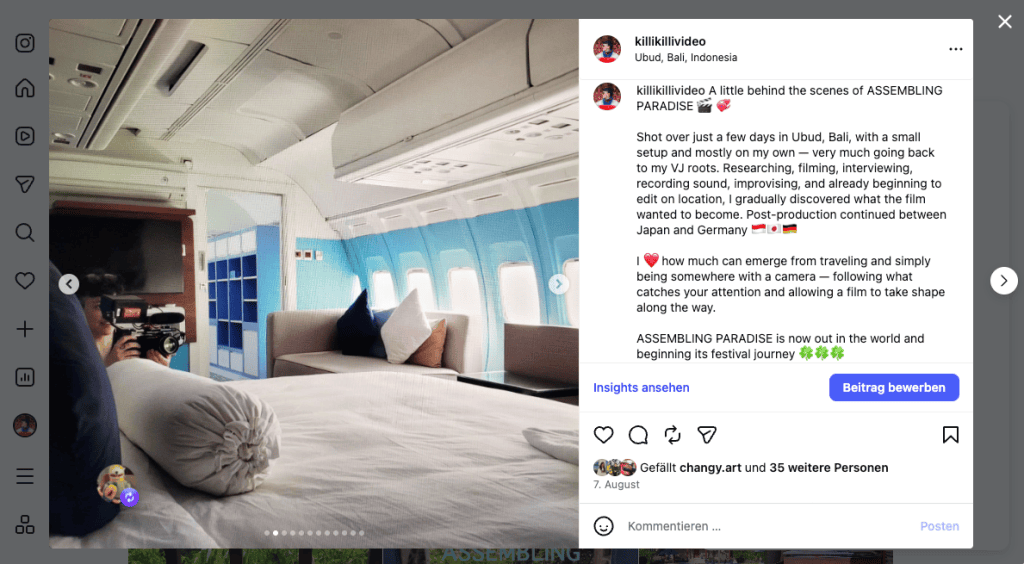
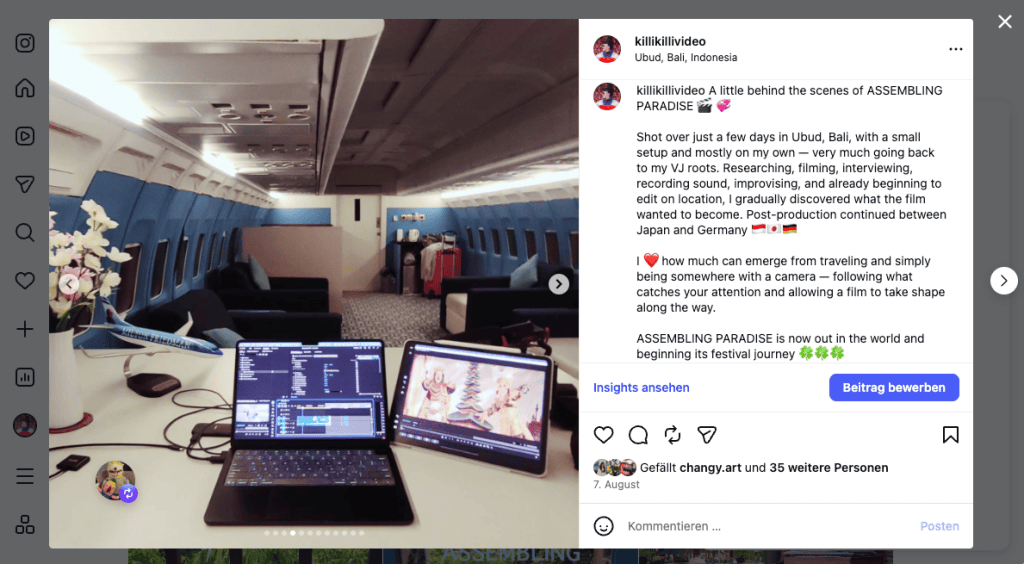
I arrived at the villa as part of my ongoing fieldwork in Bali and was immediately drawn to the place: its architecture and objects, the decommissioned airplane incorporated into the property, and the contrast between this highly constructed environment and the tropical landscape surrounding it.
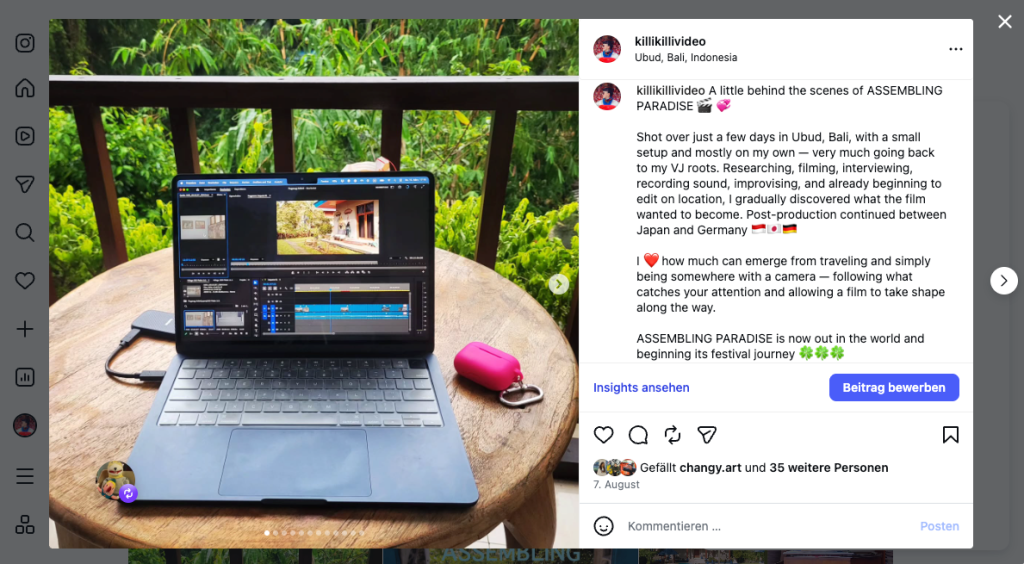
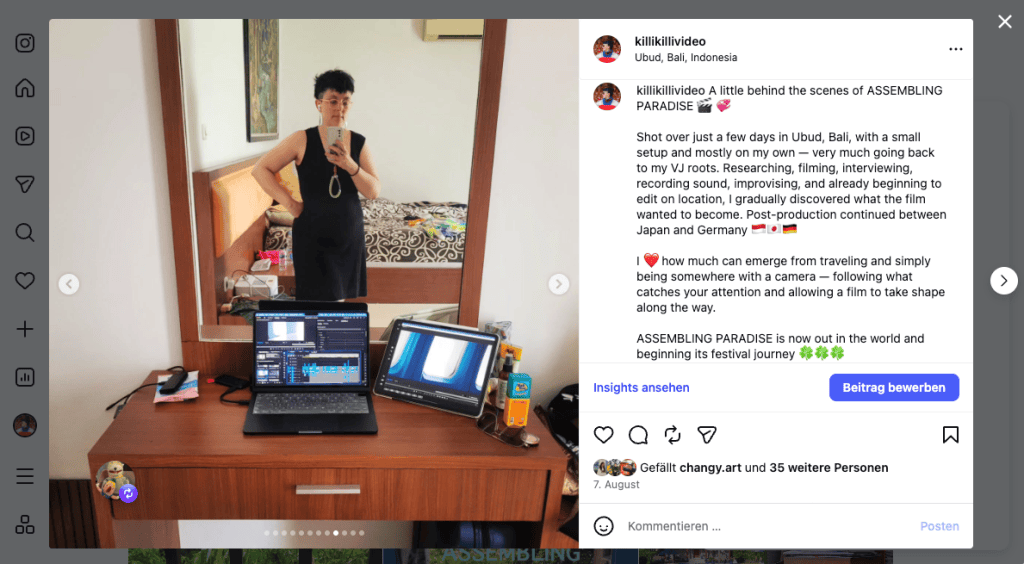
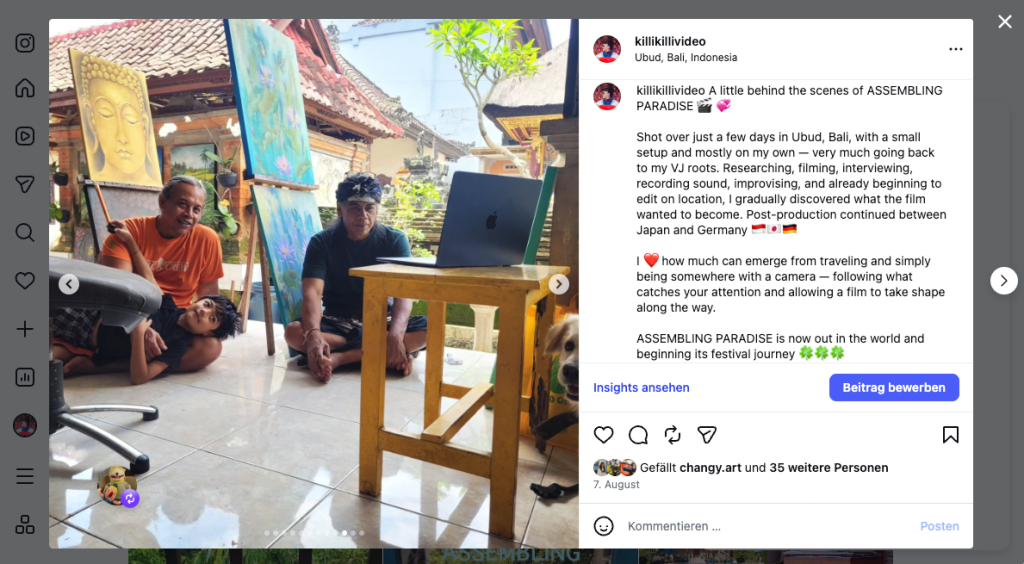
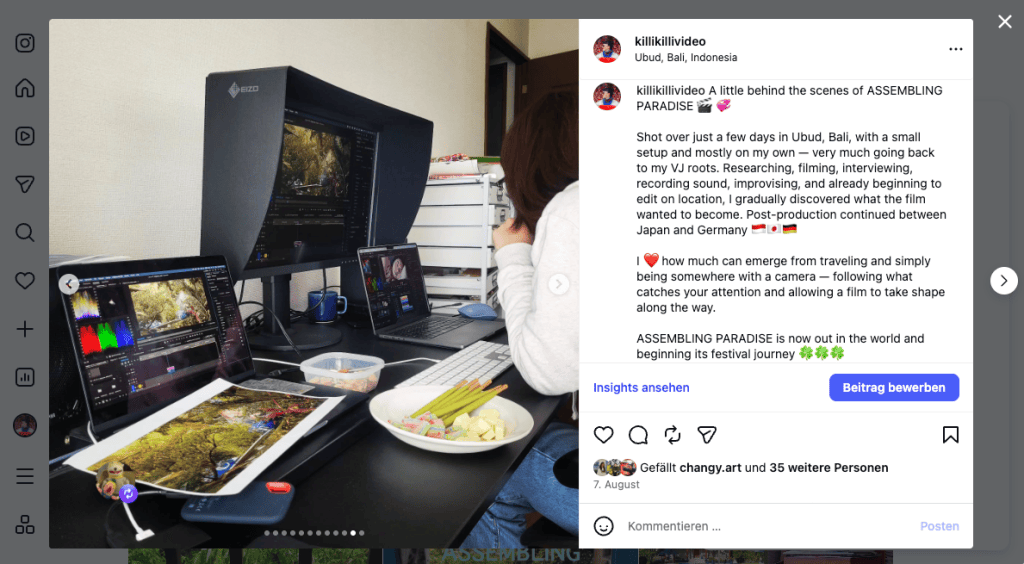
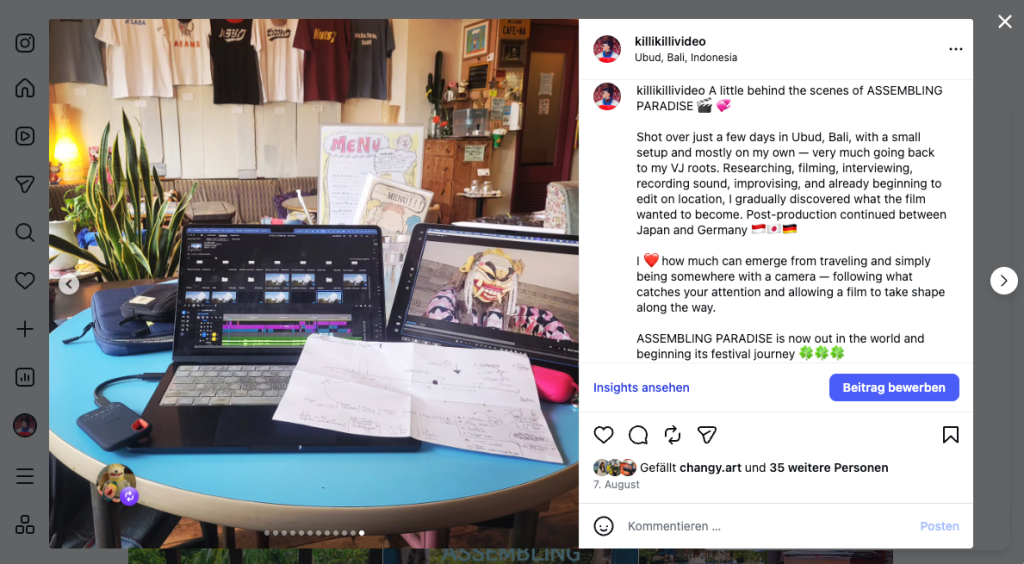
My approach to filmmaking has increasingly become a performative process. Beginning with an initial fascination that raises questions, I set myself a framework — a particular place or group of people, a limited amount of time and budget, and a small technical setup — without predetermining the outcome. Within that framework, filming itself becomes a way of observing, encountering, and gradually discovering what the work might become.
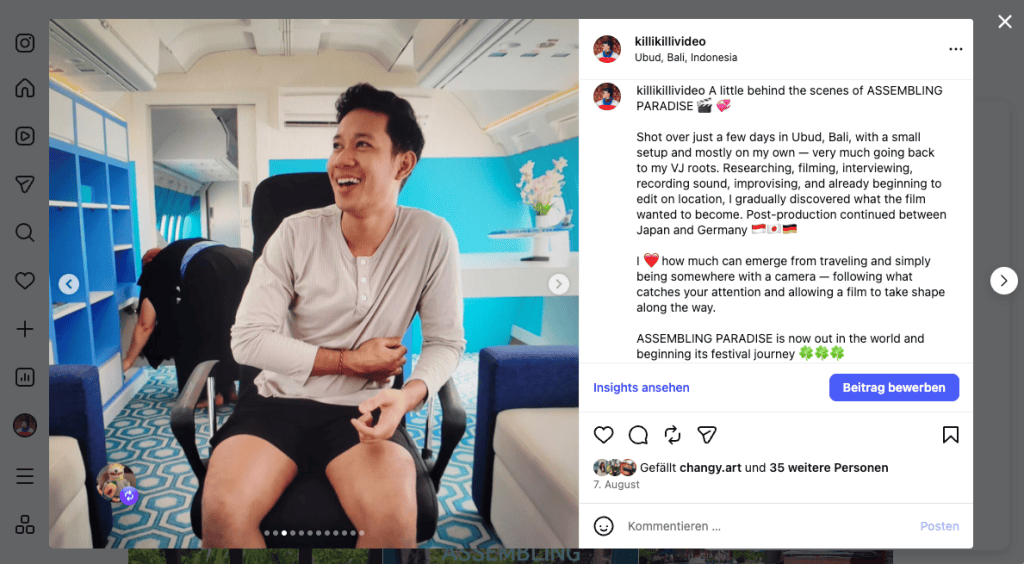
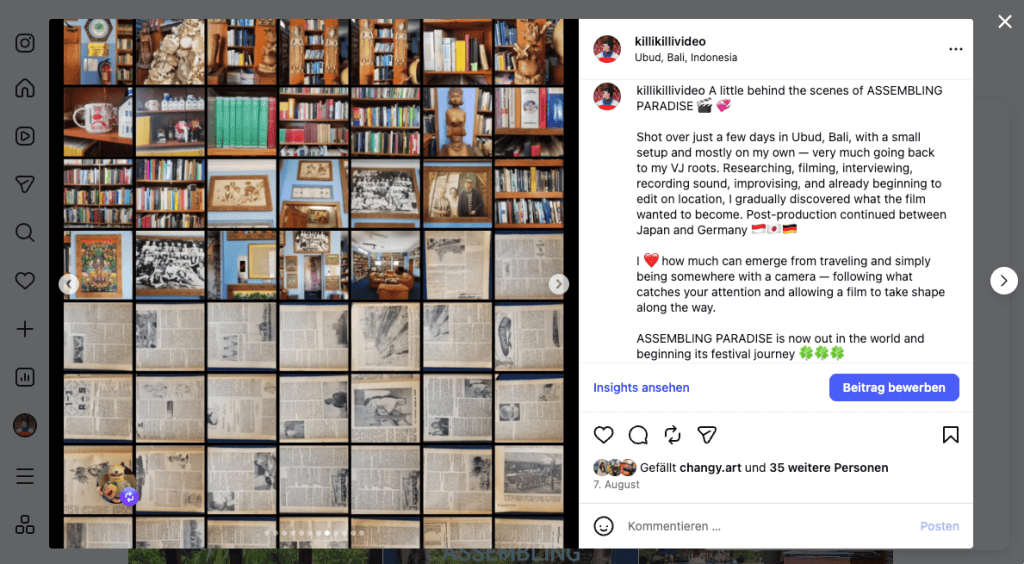
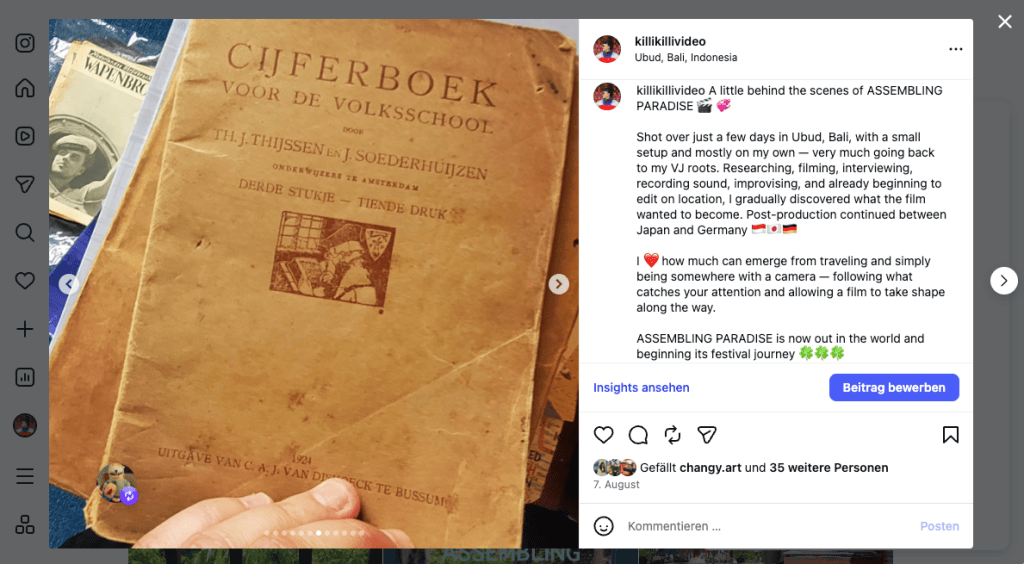
During my stay, I found myself almost compulsively filming details that caught my attention. With only a short time there, the camera became a way of looking more intensely — of slowing down, noticing, and becoming more attentive to the effect the place had on me. Conversations with people working there and research into its history gradually revealed further layers. At one point, I had gathered enough interviews and contextual material to edit a much more conventional documentary. Instead, I became increasingly interested in what happened when I removed explanation and allowed the relationships between images, sounds, objects, and ideas to emerge through the editing process.
The current version of the film relies on observation, duration, sound, and fragments of text rather than a linear narrative. Words inspired by the writings of the villa’s late founder enter the film not as biographical commentary but as an echo of a worldview that continues to resonate through the environment he envisioned and brought into being — a place that continues to change in his absence. This openness also extends to the film itself. Its present form is not necessarily final: elements of the work may shift across contexts, for instance by performing parts of the voice-over live.
Assembling Paradise offers no fixed conclusion, leaving space for viewers to form their own connections — and perhaps to remain curious enough to keep questioning and learning beyond the film.